
Human Integrin alpha 5 beta 1 (ITGA5&ITGB1) Heterodimer-hFc/Myc tag or tag free
Catalog Number:
K19R23
Description:
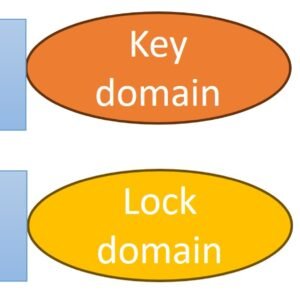
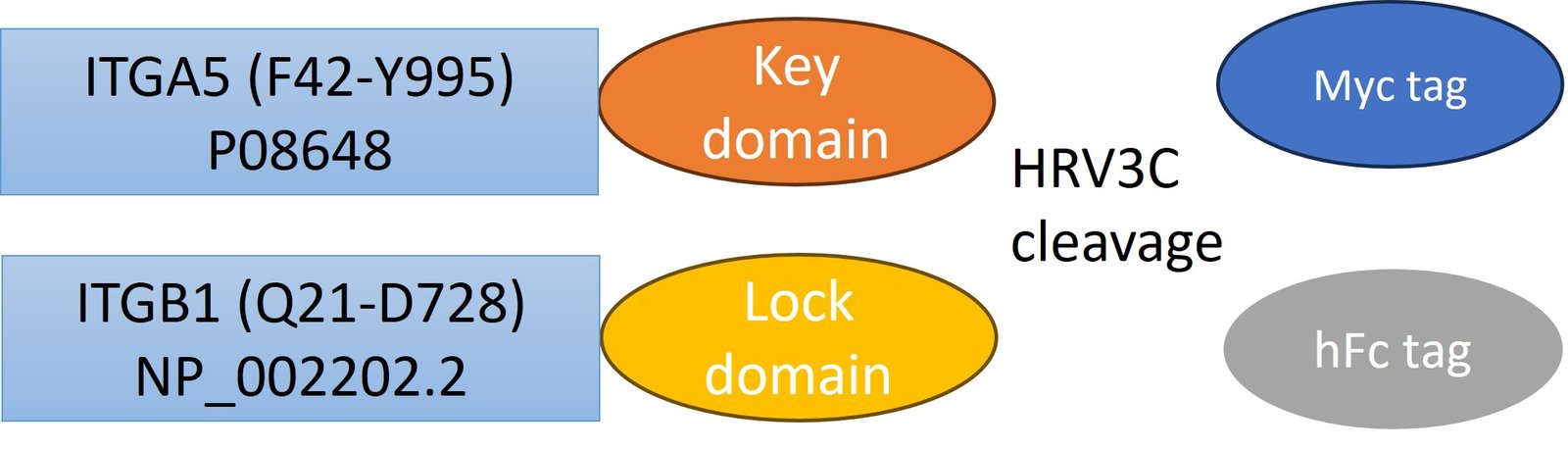
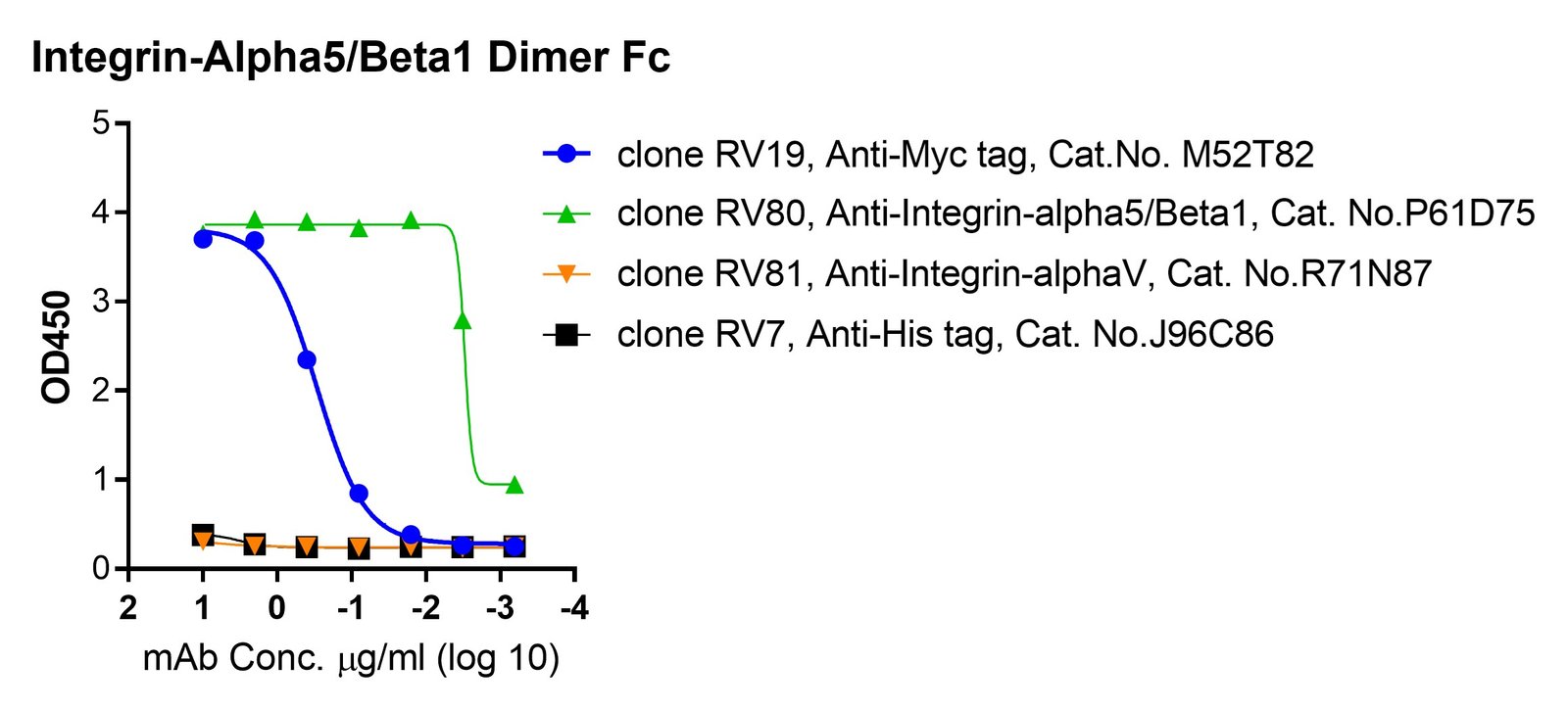
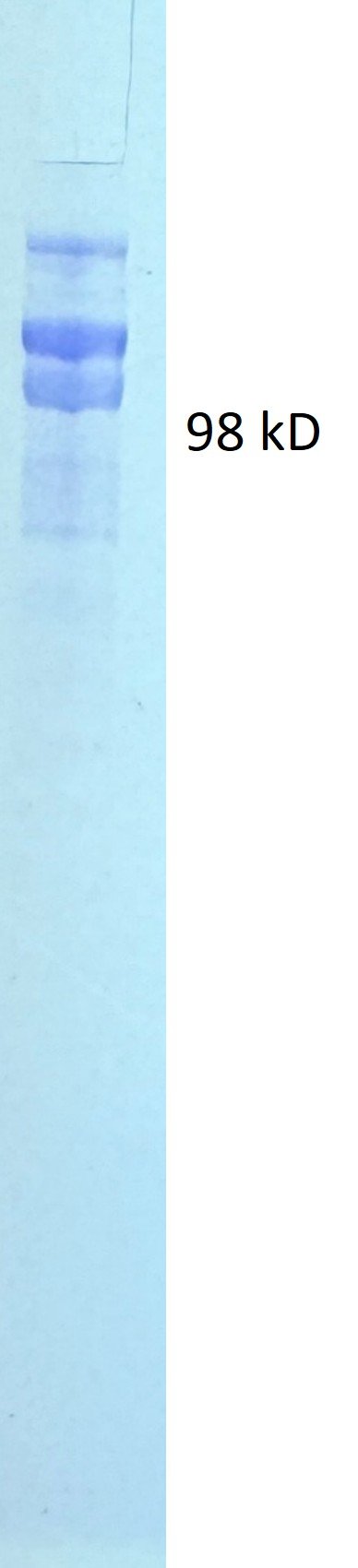
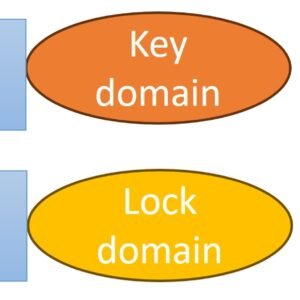
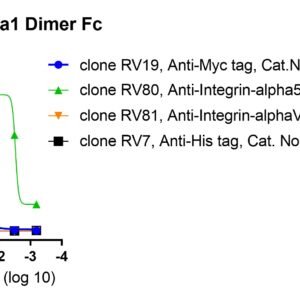
Human Integrin alpha 5 beta 1 (ITGA5&ITGB1) Heterodimer protein was produced by human embryonic kidney HEK cells, followed by purification. ITGA5 contains AA Phe 42 – Tyr 995 (Accession: P08648) was fused with a domain called “key domain” (proprietary technology), followed with HRV3C cleavage and Myc tag at the C-terminus. ITGB1 contains Gln 21 – Asp 728 (Accession: NP_002202.2) was fused with a domain called “lock domain” (proprietary technology), followed with HRV3C cleavage and human Fc (hFc) tag at the C-terminus. The binding between key domain and lock domain generates heterodimer of ITGA5&ITGB1. The purity has been examined by reducing SDS-PAGE, where the protein migrates as 135-155 kDa (ITGA5) and 125-140 kDa (ITGB1). We evaluated its binding to anti-Myc tag antibody (clone RV19, Cat.No. M52T82), anti-His tag antibody (clone RV7, Cat.No. J96C86) as a negative control, Integrin-alpha5/beta1-specific antibody (clone RV80, Cat.No. P61D75), and Integrin-alphaV-specific antibody (clone RV81, Cat.No. R71N87) as a negative control in ELISAs, see figure. This protein purified by Fc and binding to Myc tag-specific antibody validates the heterodimeric conformation. The protein can be cleaved using HRV3C for tag-free.
Protein Synonyms:
Integrin alpha 5 beta 1, ITGA5&ITGB1
Applications:
Crystallization (Crys), ELISA, SDS-PAGE (SDS), Western Blotting (WB), Immunization or Antibody Sorting Probe, and other biological assays
Source:
Human embryonic kidney HEK cells
Species:
Human
Sequence:
Phe 42 – Tyr 995 (ITGA5) & Gln 21 – Asp 728 (ITGB1)
Tag:
Myc and hFc tags with HRV3C cleavage site for tag free
Size and Formulation:
100 or 500 μg in PBS, pH7.2, without preservatives.
Note: Not lyophilized formulation, so no lyophilized protectant reagents added.
Endotoxin:
Less than 1.0 EU per μg by the LAL method / rFC method.
Shipping or storage condition
Ship with dry ice. Recommend -80°C storage for long-term. Store at 4°C or −20 °C for short-term. Multiple freeze/Thaw cycles will reduce its activity. Aliquot is recommended.
Note:
For research use only.