Human Tau protein, Myc and His tags
Catalog Number:
A27L21
Description:
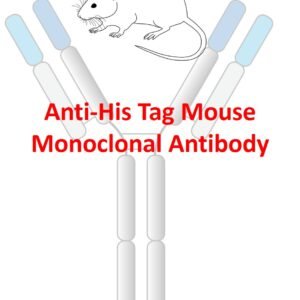
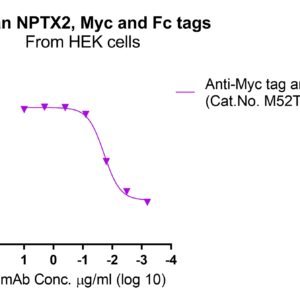
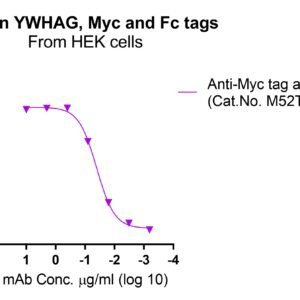
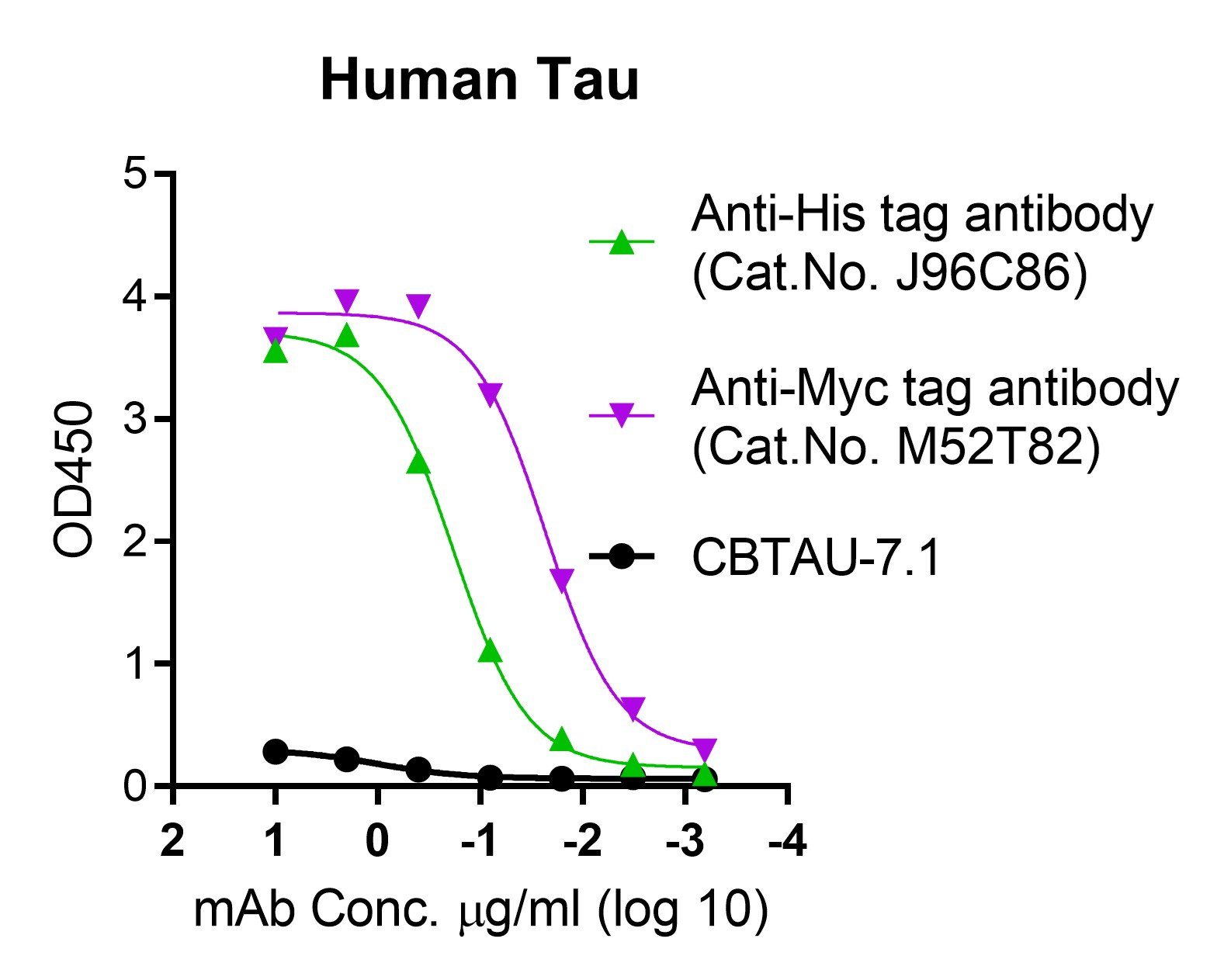
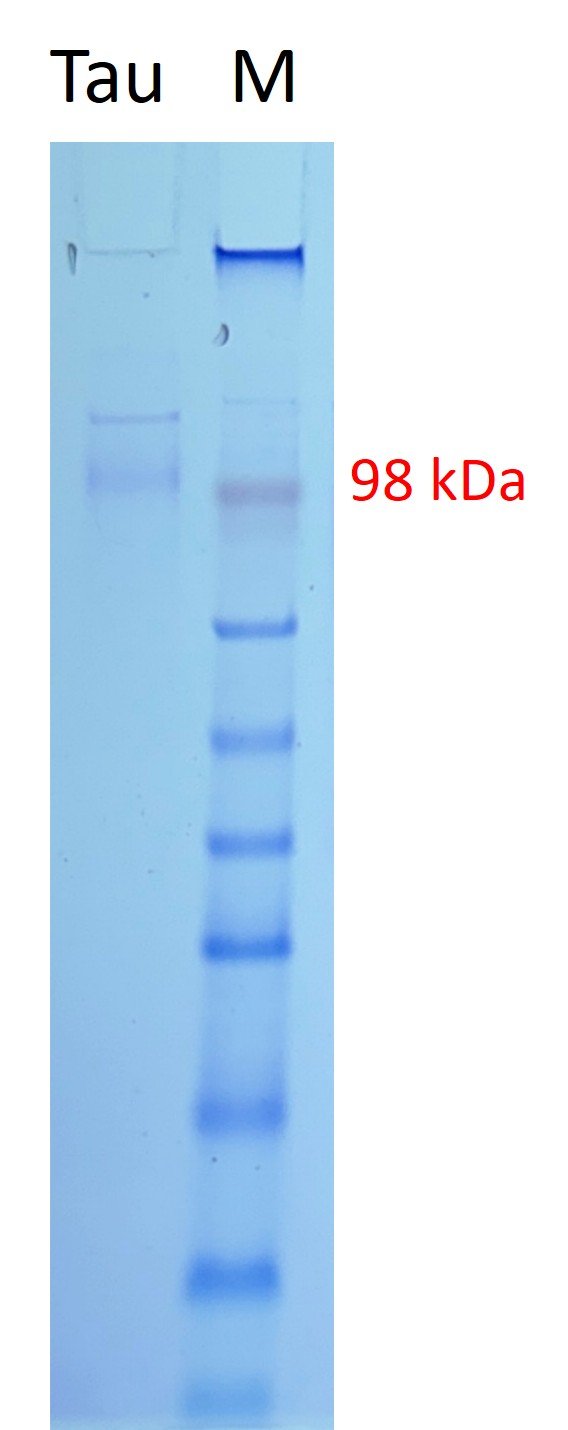
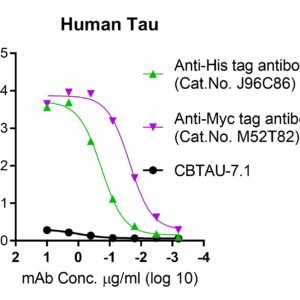
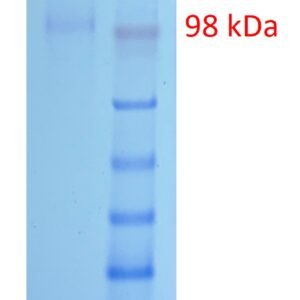
The cognitive decline in people with Alzheimer’s disease (AD) involves an abnormal buildup of the proteins amyloid beta (Aβ) and tau. The neuronal cytoskeleton in the brain is progressively disrupted and replaced by tangles of paired helical filaments (PHF) and straight filaments, mainly composed of hyperphosphorylated forms of TAU (PHF-TAU or AD P-TAU). A recombinant form (Met 1 – Leu 758) of Tau protein (Accession: P10636) fused with Myc tag followed by a 6-His tag at the C-terminus was produced by human embryonic kidney HEK cells, followed by purification. The purity has been examined >90% as determined by reducing SDS-PAGE, where protein with a calculated MW of >83 kDa. We evaluated its binding to a His tag-specific antibody (Cat.No. J96C86) and Myc tag-specific antibody (Cat.No. M52T82) in ELISAs, see results. This Tau protein is not abnormally phosphorylated, as a phosphorylated tau-specific CBTAU-7.1 antibody (murine anti-PHF antibody AT8 similar) doesn’t bind to it.
Protein Synonyms:
Neurofibrillary tangle protein, Microtubule-associated protein tau, MAPT, MAPTL, MTBT1, TAU
Applications:
Crystallization (Crys), ELISA, SDS-PAGE (SDS), Western Blotting (WB), Immunization or Antibody Sorting Probe, and other biological assays
Source:
Human embryonic kidney HEK cells
Species:
Human
Sequence:
Met 1 – Leu 758
Tag:
Myc and His tags
Size and Formulation:
100 or 500 μg in PBS, pH7.2, without preservatives.
Note: Not lyophilized formulation, so no lyophilized protectant reagents added.
Endotoxin:
Less than 1.0 EU per μg by the LAL method / rFC method.
Shipping or storage condition
Ship with dry ice. Recommend -80°C storage for long-term. Store at 4°C or −20 °C for short-term. Multiple freeze/Thaw cycles will reduce its activity. Aliquot is recommended.
Note:
For research use only.